Services
Intimacy Co-ordination
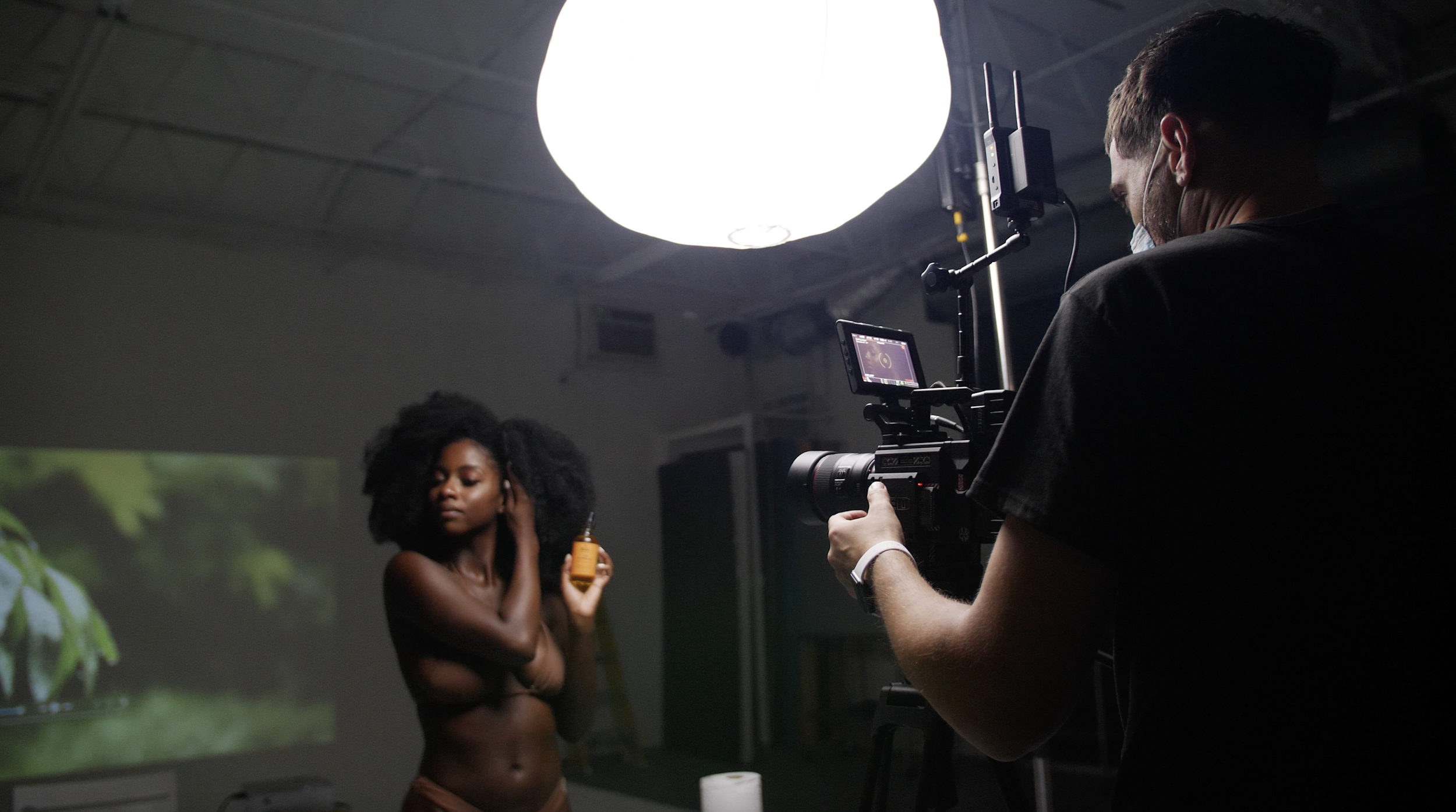
Mary O’Loan is a Belfast-based Intimacy Co-ordinator and WFTV member working across the UK and Ireland. She is the only UK/Ireland representative in the 2025–26 SAG-AFTRA Safe Sets international cohort and is currently working on set under specialist mentorship funded by Screen Ireland.
Mary provides professional Intimacy Co-ordination services for:
HETV / Film / Commercial Productions
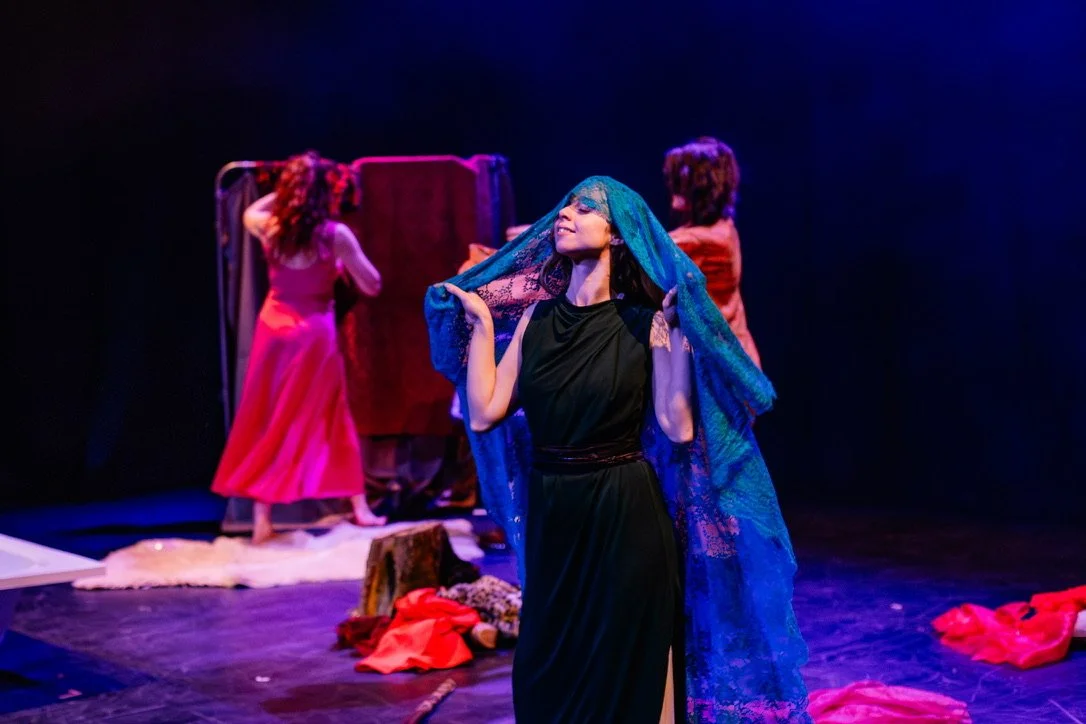
Theatre / Stage Productions
Educational Workshops & Talks
Supporting productions and students in safely navigating intimate or vulnerable material.
HETV / Film: tiered rates for indie / low-budget vs studio / TV productions
Theatre: community / amateur vs professional productions
Educational Workshops: 45–60 min talks, half-day workshops, full-day programmes
Contact for tailored packages and project-specific quotes
-
On HETV and Film productions, Intimacy Co-ordination is commonly budgeted at Head of Department level, with rates determined by the scale of the production, complexity of scenes, required pre-production planning, research, on-set and post prod- support.Below is a general scale to support you when organising the budget and schedule for your production.
Due to the nature of the work, most of the heavy lifting of the IC happens early and off-set - so it’s wise to engage your Intimacy Co-ordinator early in production as possible. This way protocols will be efficiently tailored to your specific artists and production.
Feature / TV / Studio Productions: 500–1,250 per prep session / 650–1,250 + per shoot day / Aftercare / post-shoot protocols: 75–450 per session or flat package
Indie / Low-Budget Productions: 250–500 per prep session / 400–650 per shoot day/ post-shoot protocols: 75–400
Please don’t hesitate to get in touch for tailored quotes-Packages available — e.g., short film (1–2 scenes, 1-day shoot) ~£1,600; TV episode (multiple scenes), 3-day shoot + Prep and Aftercare) ~£4,400.
https://www.bectuintimacybranch.co.uk/intimacy-coordinator-uk-rates -
A professional Intimacy Co-ordinator / Director (Theatre & Stage) provides:
Full prep-rehearsal and performance support for professional productions.
Scene choreography, interdepartmental solutions, onsite check ins and implementation of safeguarding protocols.
Rates: £350–£900 per day depending on rehearsal or performance work and production scale.
Community / Educational / Amateur Productions:
Consultation, planning, pre-production and rehearsal support for small-scale productions.
Practical choreography and implementation of safety protocols
Remote or inperson check-ins- revisions
Rates: £250 per day (or tailored session) + £75 additional consultation, aftercare, check-ins
Community theatre rates are adjusted to support smaller organisations and student productions approach intimate scenes in accordance with safety guidelines and protocols; professional rates reflect full on-set or on-stage responsibility and specialist training.
-
What is an intimacy co-ordinator, where did they come from, what do they do and how do we work with them?
Mary delivers insight into Intimacy Co-ordination in practice, career perspectives and practical understanding of protocols context for students and professionals.Guest Talk / Lecture 1-2 hrs- 250-450
Half-day Workshop/ Masterclass 2–3 hrs 575-750
Full-day Practical Workshop/ Masterclass (Online/Full Day on site) 5–6 hrs 850- 1250
Tailored Industry Workshop - Contact for quote and describe requirements
Tailored Mentorship & Advisory SupportFor Student & Emerging Productions
Guidance for student filmmakers, theatre makers, and early-career creatives navigating intimate or vulnerable material within their productions.
Support may include:
Script review and scene risk assessment
Confidential communication lines
Advice on consent processes and rehearsal planning
Guidance on modesty garments and choreography approaches
Safeguarding considerations for student performers
Practical advice for directors and producers
One-to-one mentoring for student Intimacy Coordinators or production teams
Group workshops for actors and theatre makers - integrating boundary and consent practices to the theatre making process
Advisory Call / Mentorship Session 45–60 mins 60–120
Script Review + Written Guidance per script 120–250
Half-Day Mentorship/ On-site Workshop 2–3 hours 200–300
Full-Day Mentorship / On-Set Advisory up to 6 hours 300–450 -
What is an Intimacy Co-ordinator?
An Intimacy Co-ordinator (IC) is a trained professional who works with directors, performers and production teams to plan, rehearse and facilitate scenes involving intimacy or vulnerable material.
The IC’s role is to ensure these scenes are approached professionally, safely and with clear consent, while supporting the director’s creative vision and maintaining efficient production workflows.
Many ICs come from specialist backgrounds such as choreography, therapeutic or trauma-informed practice, stunt coordination, movement direction, BDSM and kink education, safeguarding or SFX protocols. This multidisciplinary expertise allows productions to approach complex material with clarity, care and precision.
An IC does not direct performances, provide therapy, or coach acting choices. Instead, they facilitate a rare thing in-between where from true consent and detailed storytelling a team is creatively liberated to create subject specifically.
They collaboratively design the relevant protocols that will carry the artists and vision through to sound completion - allowing teams to make work everybody can be proud of. -
Intimacy Co-ordination exists to help productions tell complex stories responsibly.
By establishing clear consent, structured preparation and professional on-set protocols, the role enables performers and creative teams to approach vulnerable material with confidence — supporting storytelling that everyone involved can be proud of.
Productions may engage an IC whenever a scene involves intimate or vulnerable content, including:
Physical Contact
Kissing
Simulated sex
Masturbation
Grinding or body-to-body contact
Pre- or post-sex moments
Birth scenes
Care or medical contact
Simulated assault
Lasting eye contact (amongst certain cultures)
Non-Sexual Intimacy
Parent–child contact
Nurse or patient care
Physical comfort or caregiving
Emotional or Psychological Vulnerability
Heightened romantic or erotic states
Scenes involving substance use, overdose, or distress
Moments of emotional exposure, heightened attachment
Grooming, manipulation, power play, abuse or psychological intensity
Nudity
Implied nudity
Semi-nudity
Full nudity
-
Ideally, an Intimacy Co-ordinator is engaged during pre-production, once scripts have been finalised and intimate or vulnerable scenes have been identified.
An actor, casting director, director or producer may request the support of an IC at any stage in the production process.Early involvement allows the IC to support productions through:
Script review and risk assessment
Consent discussions with performers
Choreography planning and rehearsal preparation
Coordination with costume, camera and direction departments
Planning for closed sets and modesty garments and location specific modifications
Bringing an IC into the process early helps productions avoid last-minute challenges during filming, when time pressures are high and changes can be costly.
However, ICs are often brought in later in the process, particularly if a scene evolves during rehearsals or shooting. In these cases, a trained IC can quickly establish protocols and support the cast and crew in navigating the material safely and efficiently. Safe Set’s IC’s like Mary are trained to work flexibility and under tight time constraints and have support in resourcing particularly niche subject matter/contexts
BReathwork Facilitation
Mary is a trauma-informed breathwork facilitator and programme developer with over five years’ experience delivering structured Conscious Connected Breathwork and therapeutic processing techniques across the UK and Ireland.
Using breath as a direct access point, Mary guides teams through evidence-informed somatic methodologies that help participants:
• Recharge and regulate stress responses in real time
• Increase emotional processing capacity
• Improve focus and clarity under pressure
• Strengthen autonomy and consent-based communication
• Complete stress cycles rather than carry them
Alongside Breathwork Experiences Mary delivers workshops with games and educational content that contribute to the development of trauma-informed communication and care protocols within professional high performance environments. These expertise informs how she designs and holds structured, creatively liberated and professionally contained group spaces.
Mary delivers 75–90 minute workshops, multi-session programmes and fully tailored full-day trainings designed to integrate seamlessly into organisational wellbeing strategies in the workplace.
Breath is the method.
Liberation is the outcome.
-
Mary delivers 75–90 minute breathwork and somatics workshops. Her multi-session programmes and fully tailored full-day trainings are designed to integrate seamlessly into organisational wellbeing strategies.
£450 1 hour 30 min Group Workshop
£1250 3 x Group Workshops per Company
£1750 Full day of Tailored Workshops, Integrative Training and/or Tuition
£250 1-1 Private Session 1hr 15 min
-
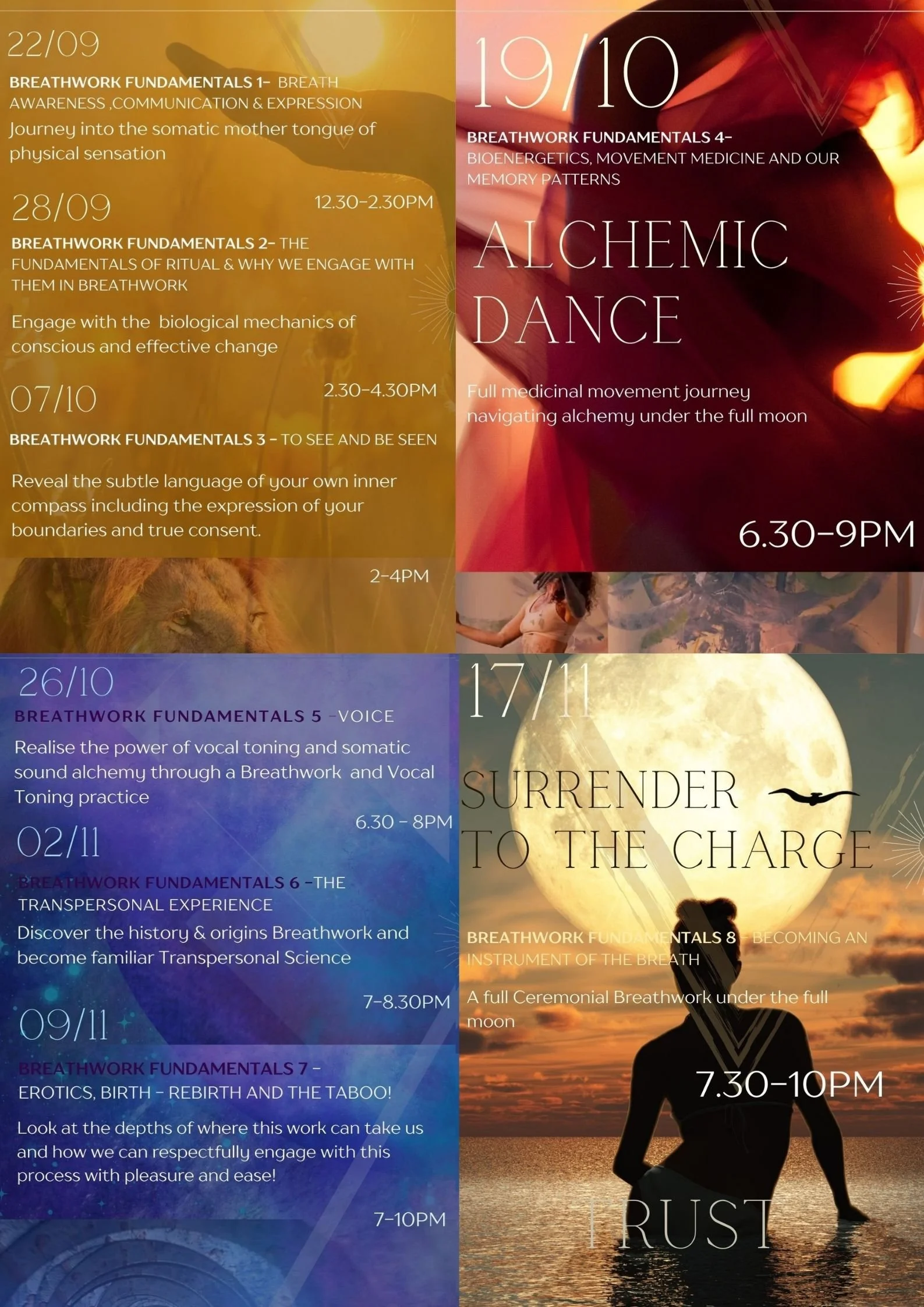
Mary offers a variety of packages from Breathwork facilitation, Alchemic Dance, Boundary and Consent workshops and educational packages for schools, community groups and creative industries.
£275 1 hour 30 min Group Workshop£ 750 3 x Group Workshops per Company
£1250 Full day of Tailored Workshops, Integrative Training and/or Tuition
£175 1-1 Private Session 1hr 15 min
£75-125 - 1-1 Private Consultation 45 mins
-
I work with organisations, teams, and individuals operating in high-demand, high-stakes environments who want to build resilience, emotional capacity, and sustainable performance.
This includes:
Corporate teams seeking stress management and enhanced collaboration
Creative professionals, HETV & film crews navigating consent and physiological activations in high-pressure production environments
Leaders, managers, and employees looking to develop clarity, autonomy, and emotionally intelligent communication within the workplace
Through tailored breathwork and somatic practices, I support people in completing stress cycles, responding rather than reacting, and operating with regulated presence and agency.
-
Somewhere between not having our needs met and learning to protect ourselves, people get lost. The breath calls us home, shows us who we are.
This durational practice asks something of you and gives back exponentially more. Throughout the journey we are reminded of our innate capacity to shift, transform and regenerate. Waves of joy arrive without explanation. Confidence surfaces from places you'd forgotten existed. Fluid moves freely through the fascia. The body does what it has always known how to do - when we finally get out of its way.
Breath connection in itself generates a profound sense of presence, safety, resource and belonging. When we engage with the cyclical conscious connected breath consistently we go on a process of reunification. Reclaiming the parts of ourselves that god buried or stuck along the way. On our journey back toward wholeness, THETA and GAMMA healing states activate, creating space for revelatory healing, processing.
It’s a process that reminds us how to feel, that feeling is healing and through this process we build are capacity to hold energy in motion.Central to all expression is breath itself. Comprehensive use of the full body as an instrument of breath returns an authentic ease of expression that no amount of technique can manufacture. The antidote to depression is expression. This work reminds us who we truly are and liberates us to act accordingly.
Working with Mary you learn to ride edges with fluidity and ease - feeling resourced and witnessed on your journey of transformation and reclamation.
-
WHO IS IT FOR?
Anyone ready to engage with:
conscious change and regeneration
radical liberation and activation
increasing their capacity to feel and process big things in real time
authentic expression and intimacy with the subtle realms
the biological mechanics of effective and conscious change
restoration, active rejuvenation
feeling alive again — accepting their role as a creator in the world
The shorter answer is — who is it not for?
Whilst Mary invites anyone who feels drawn to this work, the classic CCB pattern may not be suitable for everyone. Where contraindications apply, an alternate breathing pattern tailored specifically to your needs will be offered. What matters is that you arrive. The breath will meet you where you are.
It is your responsibility to inform Mary of any contraindications or hesitations well before ceremony begins. This is how she manages her capacity to support you most effectively.
We arrive in this world through a threshold - held in water, moved by forces beyond our choosing, pushed toward a shore we cannot yet see. The body knows this journey. It has always known it.Conscious Connected Breathwork is a return to that knowing.
When we breathe in the CCB pattern we re-enter the body's oldest intelligence — the rhythmic, cyclical, oceanic pulse that predates language, predates thought, predates everything we have learned about who we are supposed to be.
In the context of rebirthing this is not therapy, performance, self-improvement but a surrender to our natural rhythms.
Frederick Leboyer wrote of birth itself, an awakening. The child coming to new land, frightened, then settling, then opening to a first dawn that was always waiting.
Mary's work is rooted in this understanding. Every session she holds — whether a ceremonial group journey, a 1-1 series or a seasonal container — is built on the same foundation: that the body already knows what it needs. Her role is to create the conditions for that knowing to surface safely, and to be present for whatever arrives.
"Is your ear sharp enough to hear the ocean breathe?" — Frederick Leboyer, Birth Without Violence
-
Before any group practice Mary will send you a form. It ensures you understand what's involved, how to arrive well, and gives you space to ask anything before the session begins. Read it. Fill it in honestly. This will shape your experience.
For 1-1 facilitation, book your free 15-minute consultation call. If this work is a match for where you are, Mary will send everything you need to begin.
Practical preparation is simple:
Don't eat heavily beforehand. Arrive hydrated. Find a quiet space where you won't be disturbed - somewhere you can lie down fully. Have a blanket and cushion. Keep a journal, pen and if you like, crayons nearby. Many people want to write, draw or simply sit quietly with what surfaces after. Let yourself.
One thing worth knowing before you choose any breathwork facilitator — not just Mary: your facilitator should have the capacity to hold you and the tools to support your integration effectively. Ask before you book. This is your healing process. Choose accordingly.
-
Sessions run between 30 and 120 minutes, underscored by a carefully curated soundscape - woven specifically for the journey. Guidance is delivered verbally from start to finish. You are never alone in the process.
Throughout, you engage the conscious connected breath pattern — a continuous cycle with no pause between inhale and exhale. Maintaining this over the duration of a session is genuinely difficult alone. Mary is there to coach the technique precisely, respond to what arises, hold the space and bear conscious witness to your process.
For private 1-1 sessions, the work extends beyond the session. Mary provides consultation that supports integration, and informs how the next session is designed. You’re integrative programme is tailored to you and your needs at the time
"Mary provided an amazing container through expert inquiry and attunement. As the work progressed she would use what arose in a session to organically and expertly inform the process for the session that followed — making the series a coherent journey that was extremely productive." — Amoree, United States
"I felt so safe, so held and was able to let myself go and be vulnerable. Your words, your body language, your spirit. I felt exactly where I was meant to be." — Erin, Tyrone
-
Breathwork leads to altered states of consciousness. Just as the quality of each breath affects how we feel, perceive and respond to the world around us, alternative breathing patterns practised over time can lead to deep and transformational journeys that allow us to perceive the world in ways we'd forgotten, or perhaps had never seen before.
Many breathers report visionary experiences that feel psychedelic in nature. Just as dreaming is, this is a natural part of the human experience. It's common to hear breathers equate their experience with psychedelic plant medicines. Some of the most commonly reported benefits include:
Transpersonal experiences ·
Physical and emotional healing
A profound sense of oneness and belonging
Expansive joy, self-love and compassion
Connection with the divine
Life-changing breakthroughs
Psychokinesis
Remembrance
Spiritual awakening
Extra sensory perception - the tangible activation of dormant senses
Ego death and rebirth
Deep acceptance, love and forgiveness
Wholeness
"Everything seemed to just rearrange and reassemble within me during the breathwork releasing loads of joy and confidence. It was a huge gift." - Catherine Michelle, Tuscany
"A lot of vital energy came up and I found myself really laughing out loud without a specific reason, that's what I was needing the most." - Kristian, Dublin
Because of these shared effects, some believe the psychedelic chemical DMT is naturally released in the brain during breathwork. Getting to the bottom of this is genuinely difficult - there are no direct studies yet and researchers are only beginning to understand DMT and its role in the human body.
Mary's trauma-informed facilitation is contextualised through rebirthing and the holotropic and is shamanic in nature. Referenced below are her favourite researchers on the subject.
What is DMT?
N,N-Dimethyltryptamine - DMT - is a hallucinogenic tryptamine chemical belonging to the same class of psychedelics as LSD and psilocybin. Most well-known as the naturally occurring psychoactive ingredient in Ayahuasca, DMT is abundant in nature found in hundreds of plant species, in animals, and in our own bodies. It is the only psychedelic substance known to occur naturally in the human body, detected in brain tissue, human blood and cerebrospinal fluid.
Considered the most powerful-known psychedelic on earth, DMT can lead to intense psychedelic and mystical experiences, including simulations of near-death experiences wherein people transcend their bodies or enter another realm. Because of this, University of New Mexico researcher Rick Strassman, M.D. coined it the "spirit molecule." Strassman states that DMT facilitates the soul's movement in and out of the body and is an integral part of birth, death and the highest states of meditation.
Some people - like Mary - were born with an exceptional amount of DMT in the brain and have been navigating complex transpersonal waters throughout their lives. Others experience a flood of the compound following near-death experiences, spiritual emergencies, crisis, trauma, Kundalini awakening or an embodied connection with another.
Research suggests DMT may also play an integral role in deep REM sleep, dreaming and the evolution of human consciousness.
How is it produced?
In the mid-1990s Dr. Strassman concluded that the pineal gland - a small organ deep in the centre of the brain, referred to by some as the seat of the soul or the third eye makes and secretes DMT. A 2019 study published in Scientific Reports revealed that DMT-producing neurons are not isolated to the pineal gland but found across other parts of the brain important for higher-order functions.
Does breathwork release DMT?
This has not yet been proven and we still don't know the exact mechanisms by which DMT is produced or released. What we do know:
Breathwork changes the ratio of CO₂ and oxygen in the body and increases pH. These rapid changes place mild stress on the system — and highly stressful situations have been shown to cause significant DMT release in animal studies.
Rapid breathing may cause vasoconstriction and mild hypoxia reduced oxygen in tissues. Studies show DMT can protect human cells from death in low-oxygen environments, suggesting it may be released as a protective mechanism.
Breathwork activates gamma brainwaves — associated with deep meditation, heightened awareness and higher brain functions and there is a direct correlation between gamma wave activity and DMT release.
Preliminary research suggests the breath controls the circulation of cerebrospinal fluid, which contains the highest concentrations of DMT outside the brain. Conscious connected breathing may increase DMT distribution throughout the body by stimulating this flow.
Holotropic Breathwork — one of the two original branches of modern breathwork — was developed in the 1960s by LSD-facilitated therapy researcher Stanislav Grof precisely to achieve psychedelic-like states without psychedelic substances. LSD belongs to the same chemical family as DMT. When it became illegal, Grof developed the conscious connected breath as an alternative pathway.
Mary wasn't introduced to Grof's The Holotropic Mind until 2021 — on the Alchemy of Breath facilitator training reading list. Following decades of searching for a map of the way she experienced the world, reading it brought her to tears. It backboned her mission with science, case studies and classifications and gave language to what she had always known.
"We are seeing an emergence of a new image of the psyche, and with it an extraordinary world view that combines breakthroughs at the cutting edge of science with the wisdom of the most ancient societies." — Grof, The Holotropic Mind, 1993
While definitive answers on DMT and breathwork remain out of reach, the transformative and healing effects of this work are not in question. It is a safe and natural way to explore your edges, adventure into your internal world, shift stagnant energy and empower yourself as your own healer.
The most comprehensive map of transpersonal awareness is Stanislav Grof's The Holotropic Mind — covering journeys birth journeys, adventures beyond physical boundaries, ancestral worlds, karma and reincarnation, archetypes, mythic realities, interdimensional visits, parallel universes, ego death and rebirth, and much more.
Le grá mór, Mary
-
‘Breathwork’ has rapidly sprouted into Health, Wellbeing and Psychedelic Science convention over the last five years.
On the ground of popular conversation, along with its growth has come confusion from the general public as to what exactly it is.
Some people jump to yogic breathing practices like Breath of Fire or Pranayama; or exercises they’ve been taught to reduce anxiety or induce sleep. These people aren’t wrong, however, ‘Breathwork’ without the space between breath and work is the official term used to describe Conscious, Connected Breathwork, or CCB.
Conscious Connected Breathwork, or CCB
is the practice that has seen a major boom in popularity in recent years. As the majority of the western world locked themselves up covering their nose and mouths, some of us took deeper breaths and journeyed inwards . All CCB variants stem from two major branches of modern Breathwork which were born in the 1960’s – Holotropic and Rebirthing. While the methods, environment, and tools used differ among CCB variants, they all share the technique of having no pause between the inhale and exhale.
Keeping the breath connected leads to non-ordinary states of consousness that can feel similar to psychedelic experiences.
CCB session is different for every person and no two sessions are the same. The breath is the guide, taking you exactly where you need to go for your most optimal healing and it does this in the most energy efficient way possible. When we activate the THETA healing state the body knows exactly what to do.
CCB sessions are typically between 30 to 120 minutes in length.
Throughout the journey you are engaged deep and conscious connected breath.
Maintaining this for such a long duration can be difficult on your own. As a result, you will find most CCB is done with a qualified facilitator
CCB is the type of Breathwork Mary trained in. Mary trained with the worlds leading Facilitator Training Programme - Alchemy of Breath from 2021-2022. Following her 8 month training Mary spent 10 weeks at Alchemy School of Healing Arts, Tuscany refining her own unique process, package and medicine. Mary has been renowned for facilitating deep transformational breathwork journeys weaving ritual and the language of light for groups, events, couples.
1-1 journeys come with long term support and tailored tools for integration.
“I have witnessed Mary’s progress as a student throughout our 400hr Breathwork Facilitator training programme which is rigorous and demands a quality of consistent introspection and authenticity. Mary has shown both an eagerness to receive guidance and a spark of initiative that is exceptional, along with the ability to both challenge and inspire a group into new ways of thinking and being. Mary initiated memorable ceremonies and co-created events as a breathwork facilitator for the community at ASHA, 2022… I feel that the legacy and the integrity of Alchemy is safe in her care.” - Anthony
Executive Board Member, Global Professional Breathwork Alliance, Founder, Alchemy of Breath, Alchemy School of Healing Arts
If you see an advertisement for a ‘Breathwork Journey,’ or a class that mentions, shamanic breathwork, transformational, transpersonal healing or altering your consciousness, then it is likely you will be engaging with the CCB pattern.
Some well-known variants of CCB include: Transformational Breathwork, Integrative Breathwork, Radiance Breathwork, Biodynamic Breathwork, The Wim Hof Method, Clarity Breathwork, Liberation Breathwork, Quantum Light Breath and Breath of Bliss.
Pranayama
Pranayama is a purifying practice used to to prepare for meditation. There are several types of pranayama, each with different intentions but they all originate from the ancient text – ‘The Yoga Sutras’.
Prana in Sanskrit is “life force energy” and Ayama refers to expansion, extension, regulation and control. Through controlling the breath, we control the mind and Prana is directed. It’s an ancient yogic breath practice.
Yoga and Tantra teachers sometimes refer to Pranayama breath practices as ‘Breathwork,’ however Pranayama is the most accurate term and calling it breathwork can create confusion.
If you see an advertisement for a “Yoga and Breathwork,” “Tantra and Breathwork,” or “Kundalini and Breathwork” class then it is most likely Pranayama and not the CCB that Mary is facilitating.
CCB and Pranayama come from a different lineage and they have different intentions.
Pranayama is less about a deep inner journey and process work and more about control. CCB is typically done lying down, with eyes closed, and yogic breath practices are often done sitting up, disciplined and straight.
Functional Breath Work
Functional breathing teachings and practices are also sometimes (frustratingly enough) referred to as breathwork, however the technique,goal, and outcome is very different from the Conscious Connected Breath process.
Functional breathwork is taught in order to help people learn how to breathe deeper or more effectively in their day to day lives. This is important as most of us have not breathed properly since infancy, and are failing to use the full capacity of our lungs. (See the Buteyko Method). This leads to alterations of CO2 and oxygen levels which can negatively affect every system in the body, and contribute to disease.
Learning how to breathe properly with functional breath work can not only provide you with better overall health, more energy and a greater sense of mental clarity, it can also help you sleep and digest food better, improve your body’s immune response, and reduce stress and anxiety.
Breath Work Practices or Exercises
General breath practices and exercises are also sometimes referred to as Breathwork and they do often involve manipulating the breath in in some shape or form order to alter your physical, mental, or emotional state. However the goals are generally to reduce anxiety or promote better sleep rather than opening space for deep process work.
These exercises can shake the cobwebs and clear the airways for you to show up for daily life and activities and they do not require a facilitator.
This endless array of breath practices with overlaps and mutual benefits is worthy of exploration!
There’s a breath for everything amongst stimulants, ego erradicators, cleansers, balancers, erotic erousers, sleepy sedators and psychedelic deep transformational journeyers.
.
-
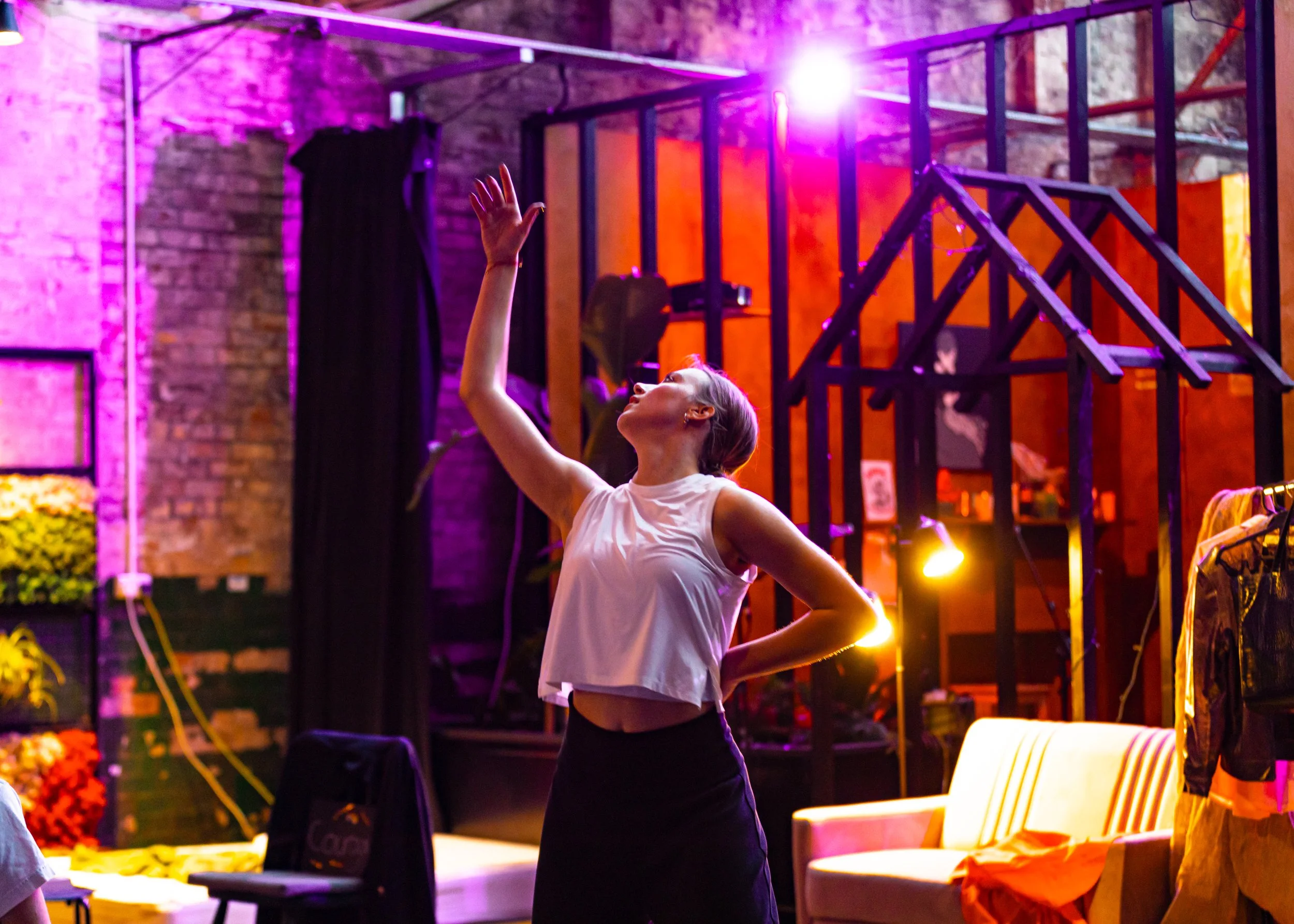
Mary sets intentional space for movement based practice through which we explore our psych and soma with curiosity.
This space is structured with a framework that supports the intimate examination of your somatic journey through the body. With no corner left unturned.
This includes a warm up and cool down.‘Somatic’ dance is sensing your internal experience and responding to the cues and signals from your body with curiosity and play. It isn't choreographed. It's prompted exploration.
This ritually held and guided durational practice creates space for revelations through the body psych and soma.
We touch a diverse range of practices tools acquired from her artist training such as Feldenkrais, 5Rhythms, Musicality, Viewpoints, African Dance, Yoga, Laban, Improv, Physical Theatre, Ecstatic Dance, Breathwork, Archetypal Embodiment, and Elemental Embodiment, forming a rich tapestry of techniques that enhance her creative expression with depth and nuance.
Her intentional soundscapes offer a transpersonal and experiential ‘totality’ to her more ceremonial spaces. Her profound understanding of the science of sound alchemy on the body make kinaesthetic empathy and archetypal play a key feature in this joyous and satisfying journey of exploration.
Lean into full and organic authentic expression for the purpose of healing and reclamation letting go of anything less than liberty!
Leave restored, your radiance oozing through your pores.
-
From where you are, Mary works with you 1-1 to lay firm foundations for elevating your breathing experience, alchemic practice and sense of resource.
Relative to your lifestyle and relationship to the breath, we’ll uncover a language for deep connection and safety, considering your personal boundary system, felt sense connection, response patterning, cycles and constellations.
Together a space is woven to resource rapid growth and development in a way that is tailored to your needs
-
THE ACTOR'S BREATH
In rehearsal and performance, actors operate at high-stakes arousal states under imaginary circumstances. The physical and emotional body does not know the difference between what is real and what isn't. Trauma responses - hypervigilance, freezing, the inability to synthesise new information, chronic helplessness, psychosomatic symptoms - are frequent and largely unacknowledged visitors to the rehearsal room. And yet the industry has historically offered almost no structured support for what that actually does to a person.
Mary has devised The Actor's Breath - a one-of-a-kind training for actors, directors and producers on the practical nuances of a mindful and alchemic transformation process grounded in breath alchemy, somatic awareness and the science of the nervous system under pressure. One of the most reputable routes to healing trauma is choosing conscious renegotiation over re-enactment. This is where we take the energy and work it into an empowering outcome. This training teaches you how.
The training covers:
Creating the container · Nervous system regulation · The vagus nerve · Endocrine awareness · Breathwork journeys and process work · Transpersonal experiences · Orientation · TRE, trauma cycles and completion · Roles and responsibilities · Aftercare · Somatic experiencing and the felt sense · Boundaries, consent and breath connection · Conscious touch · R&D · Integration · Autonomy in symbiosis
Available for any school, industry organisation, event or festival recognised by Equity throughout the UK, Europe and Ireland. This is the training that supports dynamic, healthy, somatically aware careers with the discernment and confidence to know your roles and responsibilities inside the creative process.
-
Merging the breath cycles with an active inhale and passive exhale over time results in specific physiological changes in the body and can temporarily alter your state of consciousness not unlike dreaming. This is natural, intentional and held. As a precaution, the following conditions are subject for consideration:
*Whilst I invite anyone who feels drawn to the physical practice and/or ceremonial space to come; the classic CCB pattern may not suitable for you. In this case we would work with an alternate breathing pattern tailored to your needs.
Inform Mary of ANY contraindications or hesitations you have well before ceremony begins.DETACHED RETINA OR GLAUCOMA
Increasing the rate of breathing can cause pressure in the head and neck. It’s advised against practising CCB for those a detached retina or glaucoma.
ASTHMA
The potential risks of CCB for people with Asthma are complex and debated. While some sources cite it as contraindicated, others present it as a possibility with considerations and modifications. In many instances, if the asthma is manageable and you have your inhaler with you, the session can be completed safely and may even be beneficial for your asthma. It is up to you to get approval from your medical provider and ensure facilitator is aware of your condition.
*top tip for asthma - STAY HYDRATED
DIAGNOSED BRAIN OR ABDOMEN ANEURYSM
If there has been any damage to the brain and abdomen, increasing pressure within the blood vessels can be very dangerous. CCB is not advised.
CARDIOVASCULAR DISEASE OR EXISTING HEART CONDITIONS
Deep and rapid breathing leads to a rise in heart rate and blood pressure, which can be dangerous for individuals with pre-existing cardiovascular issues. Their hearts may not be able to withstand the extra workload. Any hyperventilation can cause a decrease in the level of carbon dioxide in the blood, which can in turn impair the blood’s ability to carry oxygen. The sustained elevated blood pressure can put additional strain on the walls of the arteries and increase risk of Angina.
Please inform your ceremonialist or facilitator if you have a History of Stroke or Heart Attack
EPILEPSY
The autonomic nervous system regulates body functions like breathing. Seizures can disrupt this system. Bracing patterns of seizures can be triggered with CCB which may cause another seizure. Clients must consult their primary care physician or have a deep understanding of their body before they engage with CCB.
DIAGNOSED BIPOLAR OR SCHIZOPHRENIA
CCB may change in blood pH and brain chemistry. Activation without experience managing activated states can be overwhelming. These participants may need more secular support in the integration of their experience.
UNCONTROLLED DIABETES OR THYROID CONDITIONS
Diaphragmatic breathing can effect blood sugar levels. If a participant has uncontrolled blood sugar levels, it is uncertain how the breathwork would effect them. We recommend the each client consults their Primary Care Physician before doing any CCB to resource their experience appropriately.
UNCONTROLLED HIGH BLOOD PRESSURE
Fast breathing activates the sympathetic nervous system, which increases heart rate, increasing overall blood pressure. The same is true for the opposite. Slow, deep breathing activates the parasympathetic nervous system which decreases the heart rate and dilates blood vessels, reducing your overall blood pressure. Those with high blood pressure are advised to consult with their primary care physician before practicing CCB or worth an experienced practitioner to offer a breathing pattern suitable for them
*top tip - avoid extreme hyperventilation and breathholds - edge gently
EXTREME UNCONTROLLED LOW BLOOD PRESSURE Orthostatic Hypotension
Upon standing after lying down, individuals with low blood pressure can experience a sudden drop in blood pressure (orthostatic hypotension). This can be exacerbated by the rapid changes in body position during Breathwork, potentially leading to falls or injuries (which can be circumvented).
Mary will ALWAYS guide clients back to a regulated and embodied state before ending the practice - each client will always be invited to take all the space, time and care they need before returning to any upright positionPANIC DISORDER AND RECENT PANIC ATTATCKS
Recent Panic Attacks are sometimes regarded as contraindications for Breathwork depending on who you ask. However, it is crucial to emphasise that, in most cases, with the approval of a medical professional and the guidance of a skilled Breathwork Facilitator, Breathwork can prove highly beneficial for individuals who experience panic attacks.
PREGNANCY
During the practice of CCB, the breather can become hypocapnic. This means the level of carbon dioxide (CO2) in their lungs becomes very low. While pregnant, CO2 levels are already low & lung capacity reduced.
While breathwork can be a beautiful tool during pregnancy I advise gentle edging using the nose breath and sound on the exhale.
If you are interested in breathwork in the context of birthing or rebirthing please ask Mary her work on Rebirthing and the Perinatal Matrices to support your understanding.
RECENT SURGERY OR INTENSE PHYSICAL INJURY
Exacerbated Pain: Physical movements or intense emotional releases experienced during Breathwork may put strain on healing tissues and exacerbate existing pain without adequate care and consideration.
Risk of Internal Bleeding: For individuals with recent surgery or internal injuries, the sometimes forceful movements biproctucting emotional processing that occur in breathwork could put them at risk of internal bleeding. Care and consideration with each breath is key.
Emotional intensity: Breathwork can bring big emotional processes to the surfaces to be expressed. These emotions can be overwhelming for someone still recovering from surgery or an injury, potentially hindering or disturbing the healing process already in motion.
Dissociation: Merging the breath-cycles with too much force can lead to dissociation, where individuals disconnect from their physical and emotional experiences. Many people habitually dissociate from highly charged experiences as a coping mechanism. While breathwork can be a powerful tool for reclaiming embodied presence and emotional processing in highly charged scenarios this takes attunement and is a skill developed overtime. The prospect of disassociation could be detrimental for individuals already dealing with the shock and stress of recent surgery or injury.
An alternate breathing pattern and approach would be more appropriate.
Recommendations
While generally safe for healthy individuals, Breathwork can have unpredictable outcomes, especially for individuals in delicate physical and emotional states. Prior to engaging in Breathwork, it is crucial to consider your resources.
Are you under any current threat or danger that is unmanageable?
Do you have a stable life style and support network suitable for when you are navigating tender moments that require more spaciousness, time or consideration
Do you have people in your life that you can trust to respect your integrative journey and stand beside you process things eg. therapists, mentors, family, partner, friends or community?
Have you consulted with a doctor to ensure clearance for strenuous activity based on the specific nature and recovery timeline of any condition, surgery or injury?
Mary works with a pendulation and titration method - encouraging you to find your own edges, in your own unique space and time. You will never be pushed. The capacity to support you depends entirely on knowing what you're bringing in. Please tell her.